Every Picture Is a Compromise
Lessons from the Also-rans
Most photography websites show the photographer's very best work. Wonderful. But that's not the full story of a creative life. If we want to learn, we'd better pay attention to the images that aren't "greatest hits" and see what lessons they have to offer. Every picture is a compromise — the sum of its parts, optical, technical, visual, emotional, and even cosmic – well, maybe not cosmic, but sometimes spiritual. Success on all fronts is rare. It's ok to learn from those that are not our best.
This is a series about my also-rans, some of which I've been able to improve at bit (i.e., "best effort"), none of which I would consider my best. With each there are lessons worth sharing, so I will.
Previous image | Next image |
Original digital capture
Things vs Moments
Photographs can be of things or of moments. Over my five decades as a photographer, I've capture tens of thousands of things, but all of my better images have been of moments. This week I'll try to illustrate this with a few examples.
What I saw that I liked:
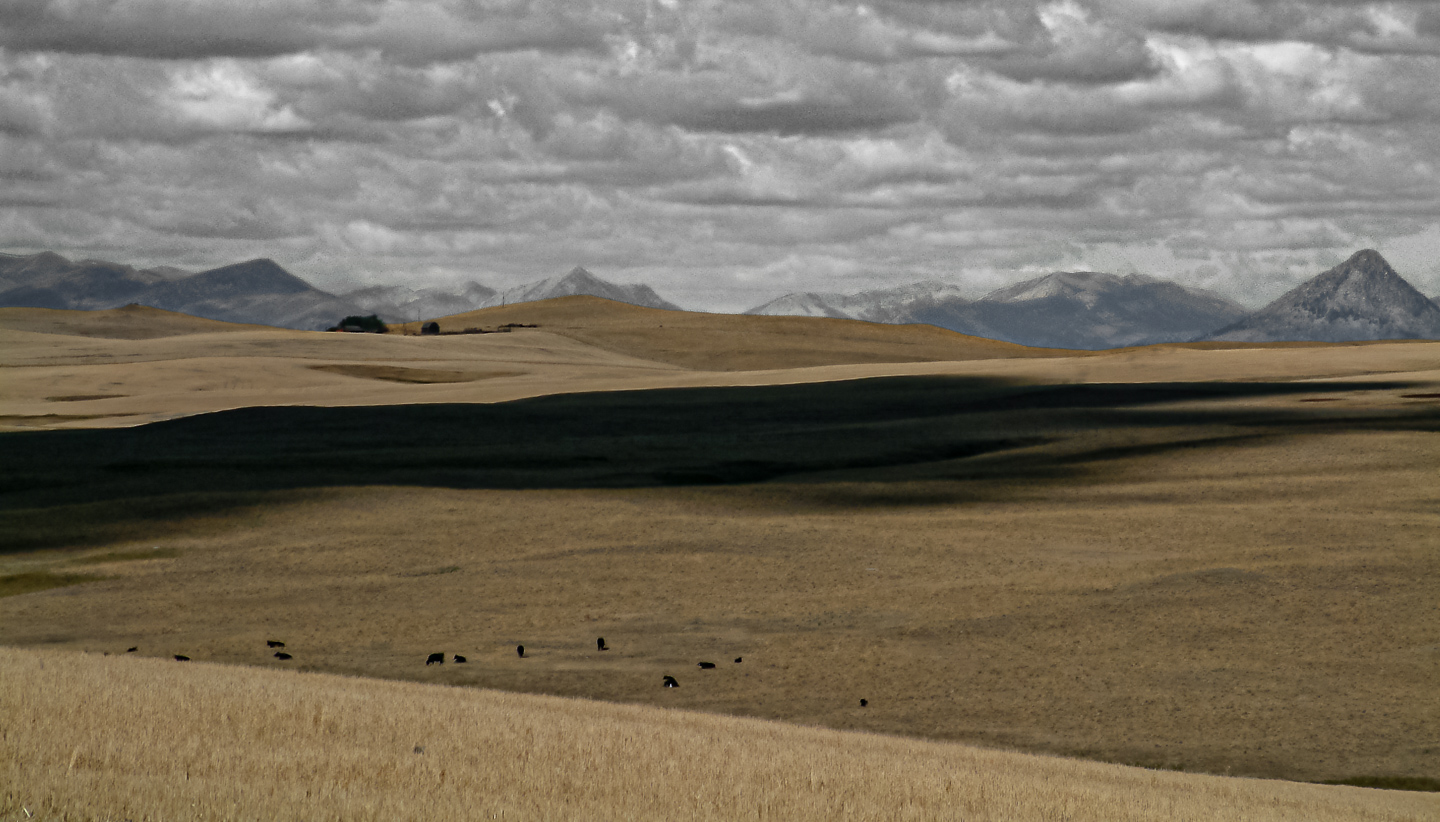
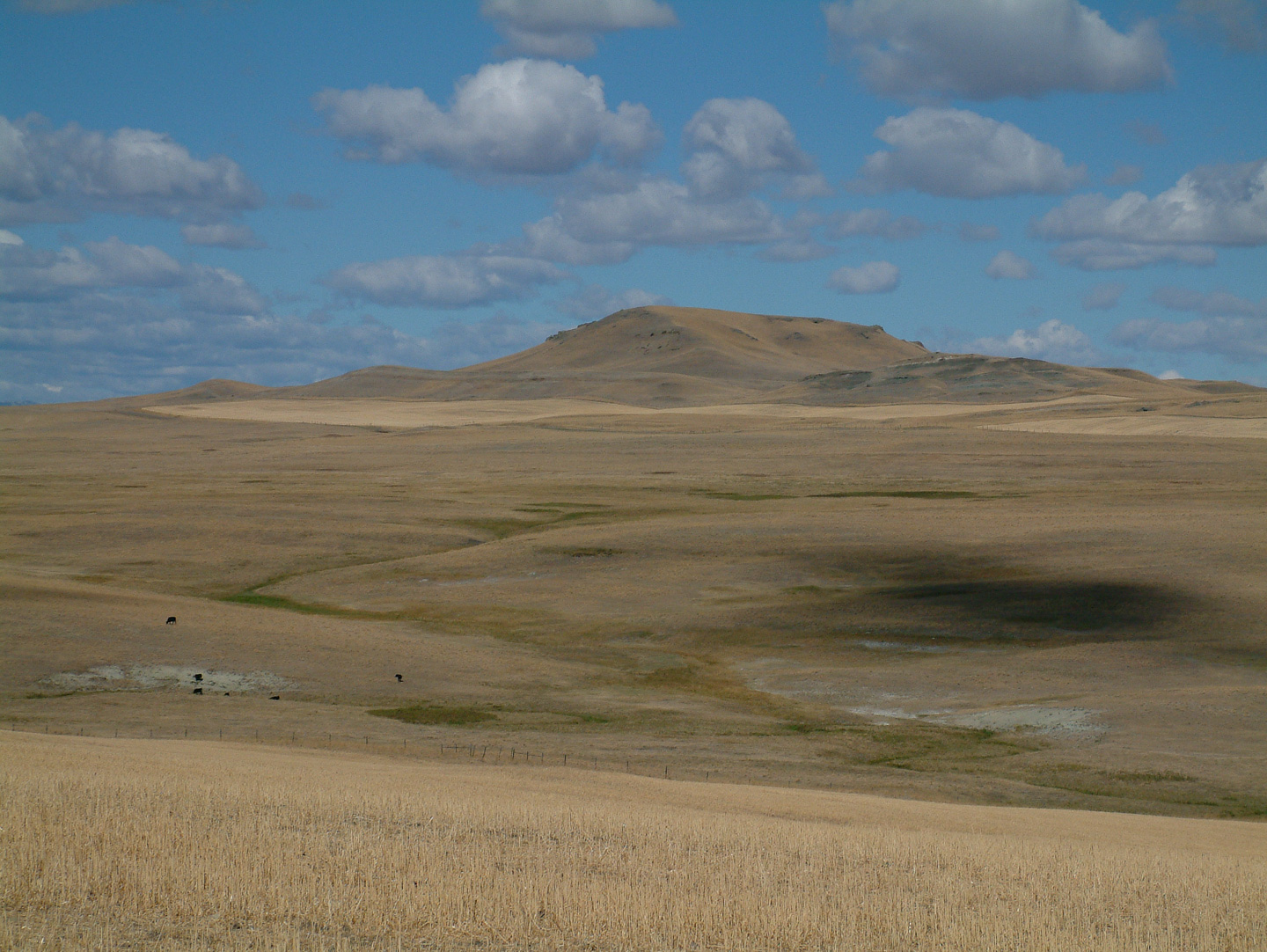
Montana always offers these sprawling scenes under that big Montana sky.
What I don't like in the picture:
The above image is the same location as the one at left, just a few minutes apart. Without the shadow and the visible cows, the version above is just a flat empty space.
What I learned:
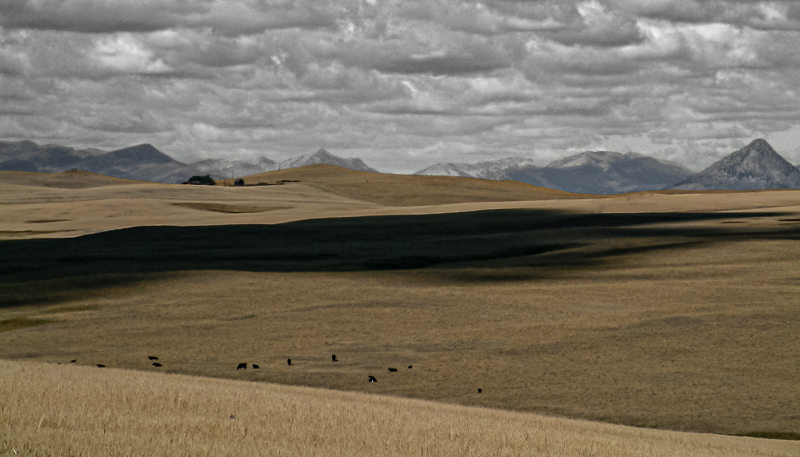
Active skies are a photographers best friend. A few minutes after I photographed the version above, the clouds rolled over, the cows moved into position, and a much more interesting moment presented itself. That moment was as fleetingly as the less interesting image above. This is one of the reasons I like staying put for a while while I'm photographing. I can see the changes in weather, sky, shadows and light, and the evolving scene. The role of patience in photography is undeniable. Photography is often referred to as an instantaneous medium, but in practice I find its opposite is more often rewarding. |
|